
I often get asked why I drive for Shebah, instead of the other rideshare companies. Why? Because Shebah. Rideshare for women, by women.
Shebah started in 2017, with a focus on safe personal transport for women and children. It also empowers us a drivers. We can choose when we want to work, and what bookings we want to accept. We are not penalised for not accepting a booking. Shebah creates female empowerment through that, and by paying 85% of the fare.
My personal ethos – every drive is a safe and secure trip for my passengers, without fear of harm or harassment. This goes both ways. It’s better for me, as a driver, and it’s better for my passengers.
Driving for Shebah is the most fulfilling work I’ve ever done. I value the rapport I build with my regular passengers. I value the conversations with one-off passengers. Everyone has a story.
Good stories and bad stories
The good stories I hear – about school days and assignments, sporting achievements, weekend plans, interests and hobbies.
I’ve done exam coaching and cramming, brainstormed ideas for essays, discussed concepts the teenage passengers have had trouble with, teasing out for critical review and analysis.
Here’s an example from last night. This was for a young Grade 7 girl, from school to her sport. It’s week 4 in term 2, so I always know that assignments will be due soon, and exam block is coming up. I ask about assignments and what they’re working on. This young lady had an assignment to deepen the “no” argument about egg farms. I asked for her thoughts, and in her reply, she mentioned things that she had seen in activists’ videos.
I asked if she had ever been to an egg farm, and if she knew that there was an egg farm less than 10kms away. She was interested in seeing one for herself.
In a short, 10 minute drive, we covered that English assignment, shared acquaintances, and her sport.
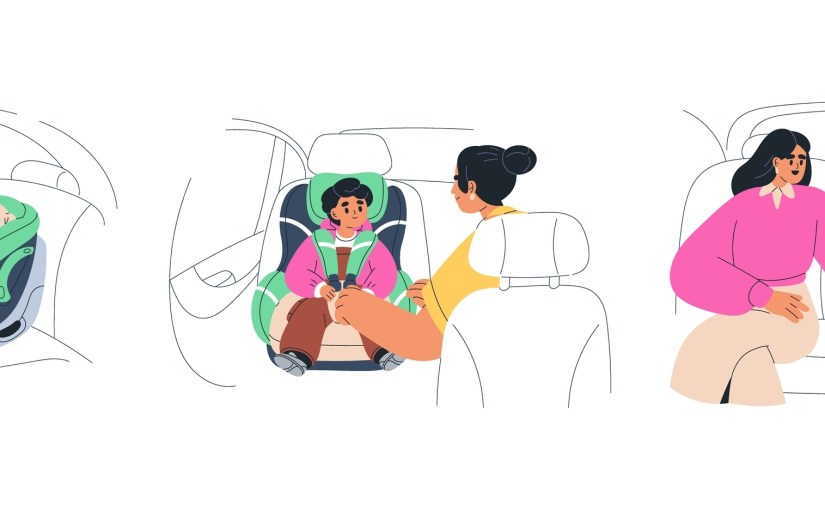
Why Shebah? For parents, knowing that drivers have “blue cards” (Positive Notice for Child Related Employment), gives them reassurance for their child, travelling alone, with a stranger. Our bread and butter is school drop offs and pick-ups for other people’s children, often the same children ever day, every week. We’re not strangers for long.
Bad stories
In any group of women, ask, and you’ll find that most have had a bad experience as a passenger. Hence, Shebah.
For example, the 23yo women with severe disabilities who needed help getting her seatbelt done up, only to have the male driver get a bit handsy, and then remind this vulnerable passenger that he knew where she lived. We will ask if you need help, and that help will be respectful. Hence Shebah.
For example, the 21yo model whose male driver started driving in the opposite direction to her destination. We will NEVER do that, unless we know about a road closure or other issue. Hence Shebah.
For example, the male driver who drove two 15yo girls to a party, who kept asking if they’d like to go to another party with him when this party was finished. We will never do that. But we will ask if these girls have their return journey sorted, because we are worried about their safety. Hence Shebah.
For example, the deaf 17yo boy who was punched by the driver because he wouldn’t answer his questions. We will accept boys as passengers until they turn 18. Hence Shebah.
For example, the male driver who was so incensed at my continued refusal to go for drinks with him, he ran a red light on a busy road. That was in 2018; I registered as a Shebah passenger the next day. I registered as a driver in 2021.
Bears and men
There has been quite a conversation recently, about whether women would rather come across a bear or a stranger, male, in the forest. I think the examples above would give some, small example why women are saying, “bear”, and why having a rideshare service like Shebah is invaluable.
Living my values
It is all those reasons, and many, many more, why I love driving for Shebah. Safety, security and 85% of the fare.
Footnote – yes, I am registered with Uber and Didi, as a means to an end. If I’m not going to make my daily revenue target, then I log into one of the other rideshare platforms to make up the balance.
That’s why… Shebah.
 The Auld Skald's Fudgel