10,000 Hours of Practice vs. A Lifetime of Masking: Reflections on Mastery in Autism Camouflage
Malcolm Gladwell’s popularization of the “10,000-hour rule” suggests that achieving mastery in any field requires approximately 10,000 hours of deliberate practice. It’s an appealing concept, simplifying the path to expertise into a measurable framework. But as a late-diagnosed autistic adult, I find myself contrasting this idea of practice with the unchosen, unrelenting “practice” I’ve had in masking—51 years of it.
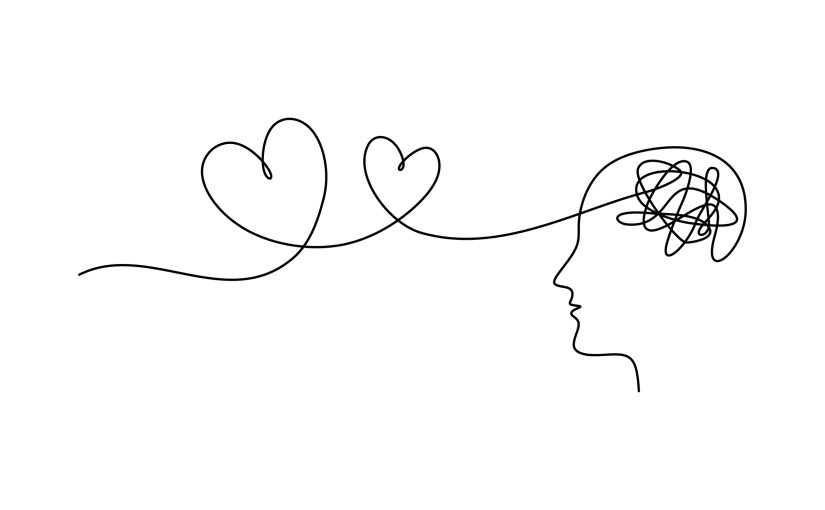
On my autism assessment, I scored in the 96.4th percentile for masking and the 94.2nd percentile for assimilation, numbers that represent the decades I’ve spent learning to suppress, disguise, and override my natural self to navigate a neurotypical world. These scores are a quantification of something intangible: survival through performance. What emerges from this reflection is the concept of a Medal for Autistic Camouflage Mastery—an ironic yet poignant acknowledgment of the incredible, and often devastating, effort it takes to “pass” as neurotypical for half a century.
The Unseen Hours of Practice
Gladwell’s rule centers on intentional practice: deliberate, focused work aimed at refining a skill. Masking, however, is rarely deliberate in the same sense. It begins as an instinctive survival mechanism, an unconscious adaptation to the discomfort, rejection, or confusion of being “other.” Over time, it becomes habitual, almost automatic—an internalized choreography of micro-expressions, tone modulation, and scripted responses.
Consider the sheer volume of practice:
- Daily Social Interactions: Every conversation, every smile, every nod calibrated for neurotypical comfort.
- Workplace Expectations: Code-switching between professional personas, often accompanied by the emotional labor of suppressing sensory discomfort.
- Familial and Cultural Norms: Assimilation within family dynamics, which often means prioritizing others’ expectations over personal needs.
Unlike the 10,000 hours Gladwell describes, the “practice” of masking isn’t chosen. It’s demanded. And unlike the mastery of a craft, the rewards of masking are bittersweet: social acceptance at the cost of self-erasure.
Masking as Mastery
If masking were a skill judged on effort and results, I’d have long ago qualified for a medal. The imaginary Medal for Autistic Camouflage Mastery would represent:
- Endurance: Decades of unrelenting performance.
- Adaptability: The ability to seamlessly blend into environments that feel alien.
- Attention to Detail: The micro-level precision required to decode and replicate neurotypical social norms.
Yet, this medal would carry the weight of its price: chronic exhaustion, identity fragmentation, and the toll on mental health. Mastery in masking doesn’t feel like success—it feels like survival at a profound cost.
The Capitalist Fetish for Productivity and Its Hidden Costs
In a society obsessed with productivity, the value of a person is often measured by their output—how efficiently they can perform, contribute, and conform. For undiagnosed, unsupported, and highly masked autistic individuals, this system demands relentless effort to meet neurotypical standards, often at great personal cost. Masking allows autistic individuals to navigate workplaces and social systems, but it comes with consequences that ripple far beyond the individual.
The capitalist model thrives on hidden labor, and masking is one such invisible cost. The mental and emotional toll of sustaining this level of performance—while managing sensory sensitivities, social anxieties, and burnout—is rarely acknowledged or accommodated. This unrelenting demand often leads to chronic health issues, mental illness, or total withdrawal from the workforce when burnout becomes insurmountable. Society loses the potential contributions of brilliant, creative minds, not because these individuals lack capability, but because the system fails to support them in ways that honor their neurodivergent needs.
When autistic individuals are left undiagnosed or unsupported, society pays a significant price. The energy spent on masking could otherwise be directed toward innovation, problem-solving, and creativity—qualities many autistic people excel at when allowed to flourish authentically. Instead, this potential is often squandered as individuals are funneled into rigid molds that suppress their strengths.
Consider the systemic implications: higher healthcare costs due to burnout, mental health crises, and comorbid conditions; the loss of diverse perspectives in workplaces and communities; and the missed opportunity to build more inclusive systems that accommodate varied ways of thinking and working. Moreover, the emotional toll on families, the community strain of misdiagnosed or misunderstood behaviors, and the perpetuation of stigma further erode social cohesion.
In this light, the capitalist fetish for productivity isn’t just damaging on an individual level—it actively depletes society of the rich contributions neurodivergent individuals could make if only they were supported. Recognizing and accommodating autistic people isn’t a matter of charity—it’s an investment in a future where everyone’s strengths are valued, and no one’s potential is wasted in the shadows of survival.
Toward a New Kind of Mastery
As I reflect on 51 years of masking, I realize that my “mastery” can evolve. I can shift from being a master of camouflage to a master of self-acceptance, advocacy, and authenticity. The time and energy I once spent on masking can be redirected to pursuits that bring joy and meaning, breaking free from the survival paradigm.
For anyone who, like me, feels they’ve earned that imaginary medal: wear it with pride, but don’t let it define you. Mastery in masking was never the goal. Freedom from the need to mask—that is the mastery we truly deserve.


 The Auld Skald's Fudgel