What is the “regular programming” that I’m referring to? That would be our autonomic system. In this post, we’ll look at the autonomic system and it’s “children”, the parasympathetic nervous and the sympathetic nervous system, and of course, some personal stories. But first, the science.
Our autonomic nervous system controls involuntary functions like heart rate, digestion, and breathing. It’s divided into the sympathetic (fight or flight) and parasympathetic (rest and digest) branches.
The parasympathetic nervous system is responsible for our rest and digestion processes. It’s often referred to as the “rest and digest” system and it contrasts with the sympathetic nervous system, which activates our fight or flight response.
Think of it this way. Parasympathetic – you are cruising down the highway, windows down, music blaring, someone special in the passenger seat. The sun is shining and it’s a glorious day.
Sympathetic – a semi-trailer jack-knifes in front of you. The sympathetic nervous system activates with a adrenalin and cortisol to prepare you for battle with the demon truck that threatens your life. You are in “fight or flight” mode, your concentration is super acute, your blood circulation has been altered to prime your muscles with oxygen-rich blood. You turn your car down a side road, heading well away from that semi-trailer, and you and your passenger are safe.
You feel shaky, and maybe a little teary. Your heart is racing. The sympathetic state is still in play.
When it’s “situation normal”, the sympathetic state stands down, and the parasympathetic state comes back online, repairing, healing and reinstating calm.
So what actually happens in the body in a “fight or flight” response (also known as an adrenal response)?
Fight or flight – the adrenal response
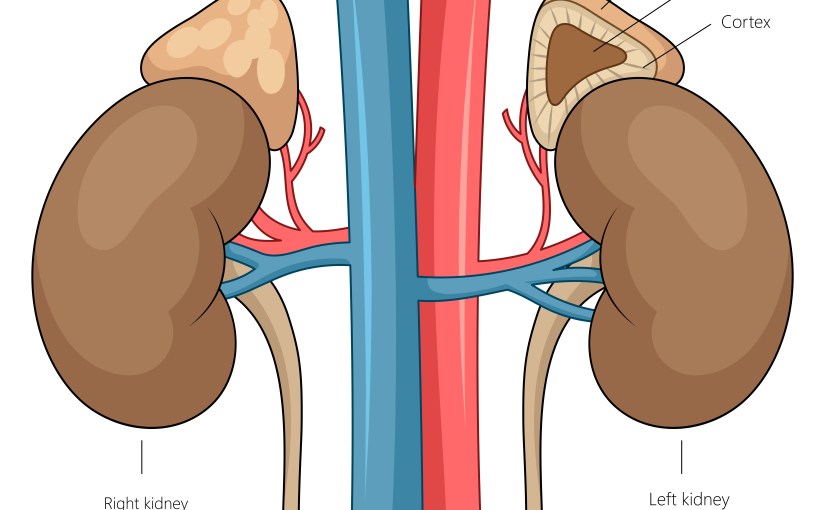
The physiological processes in an adrenal response, also known as the fight or flight response, involve intricate interactions between the brain, nervous system, and adrenal glands. Here’s a breakdown of the key steps:
- Perception of Threat: The process starts with the brain perceiving a threat or danger. This perception can be triggered by various stimuli, such as a loud noise, a sudden movement, or an emotional stressor.
2. Activation of the Sympathetic Nervous System: Upon perceiving a threat, the brain sends signals to the adrenal glands via the sympathetic nervous system. The sympathetic nervous system is responsible for the body’s rapid response to stress, activating various physiological mechanisms to prepare for action.
3. Release of Stress Hormones: In response to sympathetic activation, the adrenal glands release stress hormones, primarily adrenaline (epinephrine) and noradrenaline (norepinephrine), into the bloodstream. These hormones act as chemical messengers that prepare the body for immediate physical activity.
4. Effects on the Body: The release of adrenaline and noradrenaline triggers several physiological changes throughout the body:
- Increased Heart Rate and Blood Pressure: Adrenaline causes the heart to beat faster and stronger, leading to increased blood flow and oxygen delivery to muscles and vital organs.
- Dilation of Airways: Airways in the lungs dilate, allowing for increased airflow and better oxygen exchange.
- Blood Sugar Elevation: Adrenaline stimulates the liver to release stored glucose (glycogen) into the bloodstream, providing a rapid energy source for muscles.
- Enhanced Mental Alertness: Noradrenaline increases alertness, concentration, and focus, preparing the individual to assess and respond to the threat efficiently.
- Suppression of Non-Essential Functions: During the adrenal response, non-essential functions such as digestion, immune response, and reproductive processes are temporarily suppressed to prioritize resources for immediate survival needs.
5. Activation of the Hypothalamic-Pituitary-Adrenal (HPA) Axis: In addition to the rapid response mediated by adrenaline and noradrenaline, the hypothalamic-pituitary-adrenal (HPA) axis may also be activated. This involves the release of cortisol, another stress hormone, which helps sustain the body’s response to stress over a more extended period.
6. Resolution and Recovery: Once the perceived threat diminishes or resolves, the parasympathetic nervous system, often called the “rest and digest” system, becomes dominant again. This shift allows the body to return to its baseline state, gradually reducing heart rate, blood pressure, and other stress responses.
When stress is chronic, your sympathetic nervous system stays in control. Too much adrenalin from “fight or flight” puts your cortisol out of whack and you end up in chronic stress and inflammation. You can’t get of the sympathetic state, you can’t get back into the parasympathetic state, to allow healing, rest and digestion to get back to normal.
Chronic stress and inflammation can have a significant impact on your overall health and wellbeing. How does it do that?
Cortisol and Chronic Inflammation
Immune System Modulation: Cortisol has immunosuppressive effects, meaning it can dampen the activity of certain components of the immune system. While this is beneficial in acute stress situations to prevent excessive immune reactions, chronic suppression of immune function can lead to a weakened ability to combat infections and control inflammation.
Inflammatory Pathway Activation: Cortisol can also modulate the activity of inflammatory pathways in the body. In situations of chronic stress, prolonged elevation of cortisol can lead to the upregulation of pro-inflammatory cytokines (molecules involved in the immune response) and downregulation of anti-inflammatory cytokines. This imbalance can promote a state of chronic low-grade inflammation.
Insulin Resistance: Chronic elevation of cortisol levels can contribute to insulin resistance, a condition where cells become less responsive to insulin. Insulin resistance is associated with inflammation, particularly in adipose (fat) tissue, where immune cells release pro-inflammatory substances.
Impact on Gut Health: Cortisol can affect gut health by altering the composition of gut microbiota and increasing intestinal permeability (leaky gut). Changes in gut microbiota and increased gut permeability can lead to immune system activation and chronic low-grade inflammation in the gut and systemic circulation.
Oxidative Stress: Prolonged stress and elevated cortisol levels can also increase oxidative stress in the body. Oxidative stress occurs when there is an imbalance between the production of reactive oxygen species (ROS) and the body’s ability to neutralize them with antioxidants. Excessive ROS can damage cells and tissues, contributing to inflammation and various chronic health conditions.
Behavioral Factors: Chronic stress and elevated cortisol levels can influence lifestyle factors such as sleep disturbances, poor dietary choices, reduced physical activity, and increased substance use (e.g., smoking, alcohol), all of which can independently contribute to inflammation.
Now, all that is for the neurotypical brain. What is different for the allotypical brain?
(Allotypical is the autism affirming term I came up with – “other normal”. I’m only five months in from discovering my autism, and I’m already so frustrated with “dys” this and “dis” that, and references to deficits. So – new words.)
Autism and the Adrenal Response
Think back to the paragraphs about the adrenal response, and the first point – “The process starts with the brain perceiving a threat or danger. This perception can be triggered by various stimuli, such as a loud noise, a sudden movement, or an emotional stressor.”Autistic people experience the world differently. There are some who posit that a meltdown is a sensory storm, and there are those who take it further, describing a meltdown as an autonomic storm. The result? Our physical experience of the world may well have us in the parasympathetic state more often than not.
So, how do we get out of the sympathetic and into the parasympathetic state?
In the ’tism social media landscape, somatic therapy is a current trend, and it’s something old hippies and witches like me know very well. Crystal singing bowls, bells, mantra songs, restorative yoga, vagus breathing. The physical tricks such as tilting your head back to look at the sky, then rolling your eyes up to your forehead, then relaxing back down again. And for autistic people, that might also include stimming or weighted blankets.
Everyone who knows about this somatic stuff has their own technique that they prefer. For me, newly discovered autistic, the tools I used in the past for what I thought were anxiety attacks, still hold true because in truth, I was already dealing with autistic meltdowns. You may prefer to consult your GP, psychologist or psychiatrist. I’m not telling you what to do. I’m telling you what I do.

My personal remedies? My cat, Maya, and her purrs. Vagus breathing. Sung, moving mantras. Music from Tony O’Connor, Sacred Earth and XTC. And diving back into a favourite book.
If you want peer-reviewed papers for this stuff, I’ll get them for you. But for me, what I know is enough, and I know what works for me.
And that is what sees a return to regular programming.
 The Auld Skald's Fudgel