Some of you may remember, back in 2015, there was quite a public debate about where to situate a nuclear waste facility here in Australia.
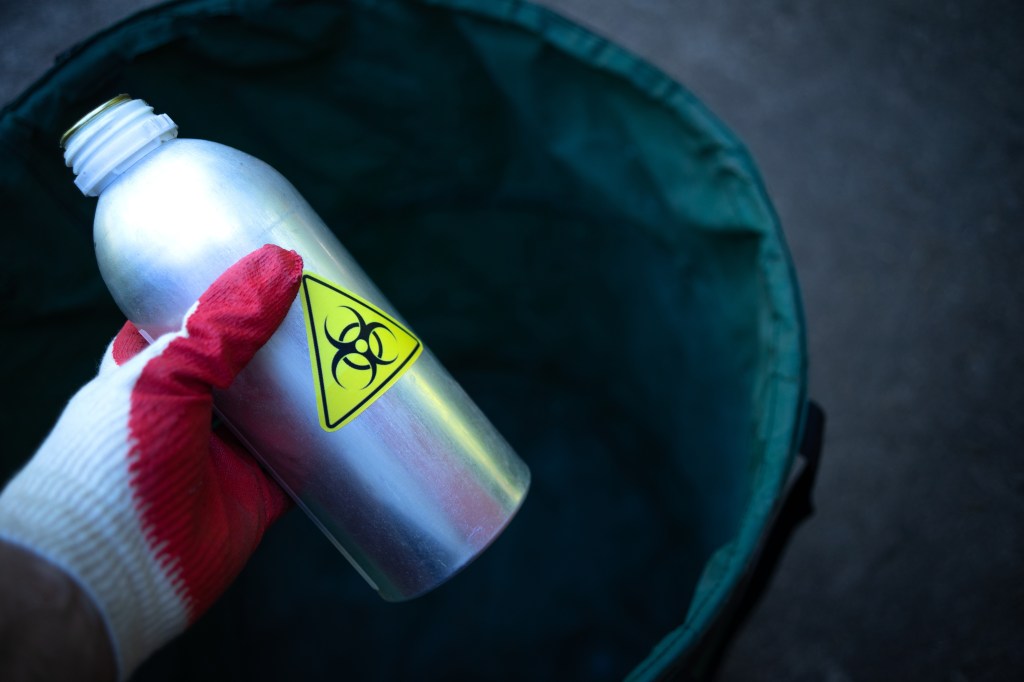
According to the World Nuclear Organisation, we in Australia now have three nuclear waste sites; two in WA and one in SA. (https://world-nuclear.org/information-library/country-profiles/countries-a-f/appendices/radioactive-waste-repository-store-for-australia.aspx)
What is nuclear waste?
In this case, the nuclear waste may have come from research labs, industry or healthcare, possibly things like contaminated gowns, needles, syringes or gloves, resulting from diagnostic and therapeutic using nuclear medicine.
Nuclear medicine for diagnostic and therapeutic uses, you say? Such as?
Positron Emission Tomography (PET): Used to visualize metabolic processes in the body.
Single Photon Emission Computed Tomography (SPECT): Provides 3D images of internal structures using gamma rays.
Radioactive Iodine Therapy: Used to treat thyroid conditions, such as hyperthyroidism or thyroid cancer.
Bone Scans: Detect bone diseases or abnormalities by injecting a radioactive tracer.
Myocardial Perfusion Imaging: Helps evaluate blood flow to the heart muscle.
Radiation Therapy: For the treatment of cancer.
Pain Relief: Radiopharmaceuticals are used for pain relief in some types of bone cancer.
Where else do we use radiation?
We also use radioactive material to determine the density of soils when building roads; without thatyour roads would turn to mush fairly quickly.
How?
Nuclear density gauges determine soil density by measuring gamma radiation transmission between a probe containing a radioactive Cesium 137 (or other) source and Geiger-Mueller detection sensors in the base of the gauge.
Dense soils allow fewer gamma particles to be detected in a given time period.
Soil moisture is measured at the same time using a separate source of Americium 241. (https://www.globalgilson.com/blog/density-of-soil-test)
Nuclear density tests make it possible to do multiple density tests in a large area in one day. For example, when building a road.
In the absence of alternatives, we will continue to use nuclear medicine, which will generate nuclear waste. So, yes, we do need need nuclear waste facilities.
“Stakeholder communication” is a term often bandied about, but, really, when it comes to something as socially controversial as nuclear waste, it should be extensive and sensitive, ethical and considered; just the same as when your medical specialist recommends a nuclear medicine test.
 The Auld Skald's Fudgel